
Search Website
Skills and Competencies
Anthropology offers a broad set of skills that many employers value and seek, including multimodel communication, evidence-based analysis, flexible thinking, and evaluative and comparative analysis.
Our students regularly tell us that anthropology helped them understand the world better and led them to appreciate the complexity of contemporary social problems. Anthropology will also help you apply your knowledge and skills to addressing those problems with curiosity, compassion, and commitment.
Trained to Be "Solvers"
Research from the RBC Future Skills Report forecast growing demand for workers who can think critically and manage complexity. Our program is designed to produce exactly that kind of graduate — people who can navigate ambiguity, communicate across difference, and lead through complex problems.
A Degree That Opens Doors
About one third of relevant job postings in Ontario require only a bachelor's degree, and top roles include communications officers, research associates, grants assistants, and archaeologists. Our graduates are competitive candidates for all of these.
What Our Students Say
Students consistently report that their anthropology training sharpened their analytical thinking, strengthened their communication, and gave them the confidence to engage with human diversity — in the workplace and beyond.
Technical and soft skills that can be developed or learned through studying Anthropology:
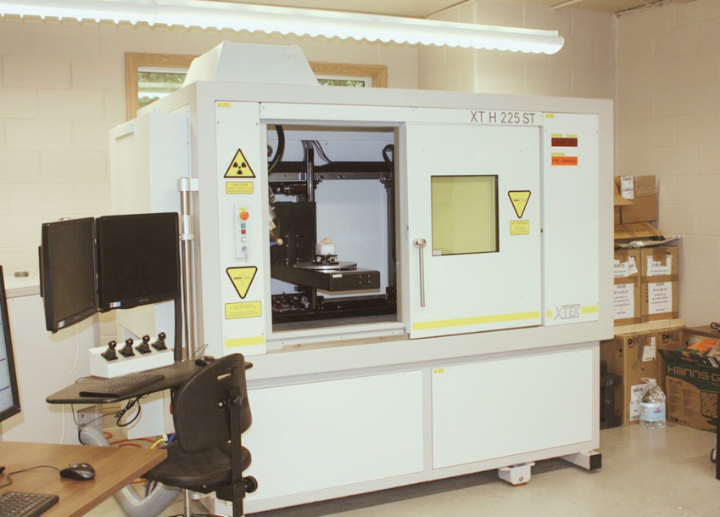
Research & Analytical Skills
These are core to all anthropology subfields and extremely valuable anywhere data or human behavior matters.
- Qualitative research methods (interviews, participant observation, ethnography)
- Quantitative research methods (survey design, statistical reasoning)
- Data analysis & pattern recognition
- Culturally Sensitive, Community-based and Collaborative Research Methods
- Literature review & synthesis
- Emergent/Adaptable Research Design
- Report writing and critical analysis
Industries that want these: UX research, market research, public policy, healthcare systems, education, consulting, cultural resource management.

Human Centered Skills
Anthropology teaches to understand people deeply - these skills will be very valuable in business, design, and social services
- Cross cultural communication
- Empathy-based interviewing
- Understanding human motivation & decision-making
- Stakeholder interviewing & engagement
- Intercultural competency & global awareness
- Conflict mediation & negotiation
- Community engagement
Industries that want these: HR, Diversity, Equity, and Inclusion (DEI) roles, diplomacy, NGOs, social work, global business, user experience.
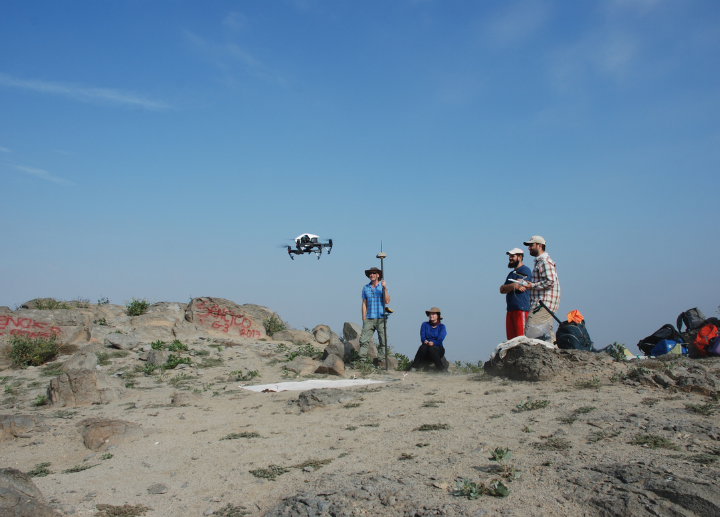
Technical & Digital Skills
Anthropology offers training in a wide variety of technical skills. Depending on your field of study in our program, these may include:
- GIS mapping & spatial analysis
- Drone mapping
- Qualitative data software (NVivo, Atlas.ti, MAXQDA)
- Survey tools (Qualtrics, SurveyMonkey)
- Audio/video documentation
- Digital archiving
- Digital analysis and visualization skills
- Database creation and management
- Isotope analysis
Industries that want these: Research, UX, urban planning, data analytics, cultural resource management, museums.
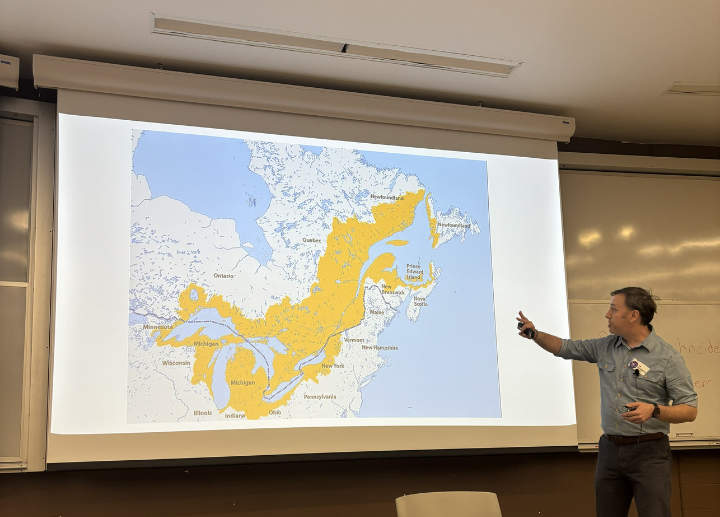
Communication Skills
Communicating complex human findings clearly is a big part of the discipline.
- Technical and research writing
- Clear presentation of complex ideas
- Translating between technical and non-technical audiences
- Public speaking
- Collaborative project communication
- Technical report writing
Industries that want these: communications, marketing, academia, advocacy, consulting, legal services.

Organizational & Applied Skills
Applied anthropology provides tools to work within organizations and build change.
- Organizational culture analysis
- Needs assessment
- Program evaluation
- Policy analysis
- Strategic planning based on human behaviors
Industries that want these: corporate culture consulting, HR, public policy, international development.
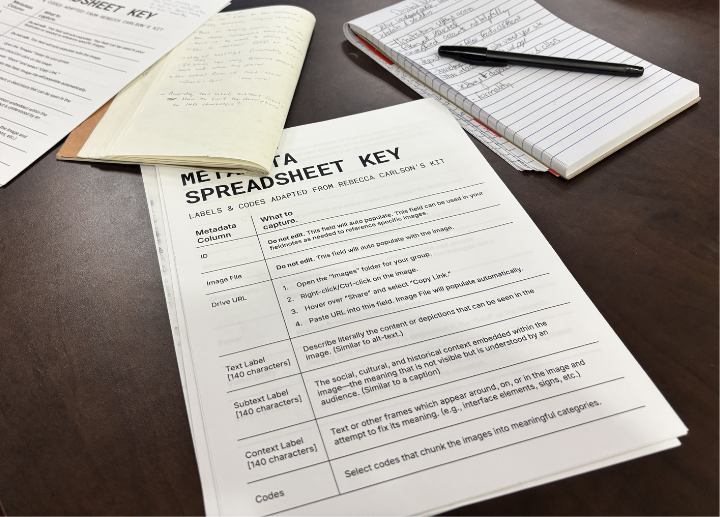
Critical Thinking & Problem Solving
Anthropologists are trained to question assumptions and see systems holistically.
- Systems thinking
- Identifying hidden assumptions in policies or products
- Ethical reasoning
- Critical analysis of social structures
- Contextual problem solving
Industries that want these: Government, education, think tanks, ethics boards, tech strategy, design, nonprofit leadership.
Specialized Anthropology Skills
Useful in more discipline-specific careers.
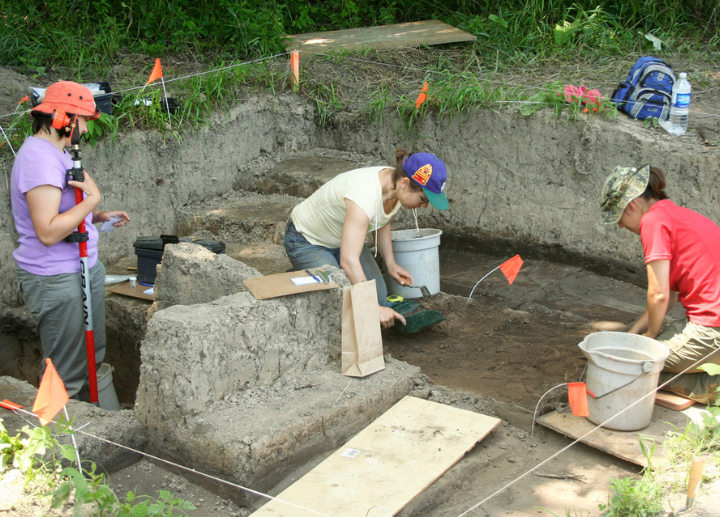
- Archaeological field techniques & methods
- Ethnographic field techniques
- Underwater archaeology skills
- Architectural and artifact conservation
- Bioanthropological laboratory skills
- Linguistic analysis
- Cultural resource management knowledge
Industries that want these: museums, Customer Relationship Management (CRM), archaeology firms, academic labs.
What will students studying anthropology learn?
These broad learning outcomes indicate what students in our Majors and Specialization modules are gaining through their studies in our program. For the learning outcomes associated with particular courses, see particular course outlines.
Students who complete a Western’s Anthropology Major or Specialization module will be able to demonstrate:
- By reading, summarizing, and critically evaluating anthropological literature from academic and popular sources.
- By recognizing, understanding and respecting cultural, linguistic and biological diversity in the past and the present, locally and globally.
- By reading, summarizing, and critically evaluating anthropological literature from academic and popular sources.
- By appreciating the history, key arguments and applications of different theoretical approaches in Anthropology.
- By identifying, evaluating and employing appropriate anthropological research methods in an ethical manner.
- By appreciating the history, key arguments and applications of different theoretical approaches in Anthropology.
- By identifying, evaluating and employing appropriate anthropological research methods in an ethical manner.
- By cultivating intellectual curiosity as well as analytic, problem-solving, decision making and listening skills.
- By locating and synthesizing anthropological research findings, in order to formulate and effectively communicate well-supported arguments on complex topics.
- By effectively engaging in autonomous and collaborative work with fellow students and/or community partners.
- By critically reflecting upon the personal and disciplinary limits of knowledge and developing an appreciation for uncertainty and ambiguity within interpretation and analysis.
- By recognizing, understanding and respecting cultural, linguistic and biological diversity in the past and the present, locally and globally.
- By effectively engaging in autonomous and collaborative work with fellow students and/or community partners.
- By engaging in scholarly research and debating at the level of sophistication necessary for advancement to graduate and professional studies in anthropology and related disciplines.