Search Website
Why Study Anthropology?
Why Study Anthropology?
Why Study Anthropology?
Anthropology is concerned with all things that people do or have done! Anthropology combines scientific and humanistic approaches in the social science to study human behavior, biology, language, and society, in a cross-cultural perspective. Anthropology’s commitment to exploring the cultural breadth and the historical depth of human experience makes it one of the broadest of all academic disciplines.
The four subfields of Anthropology
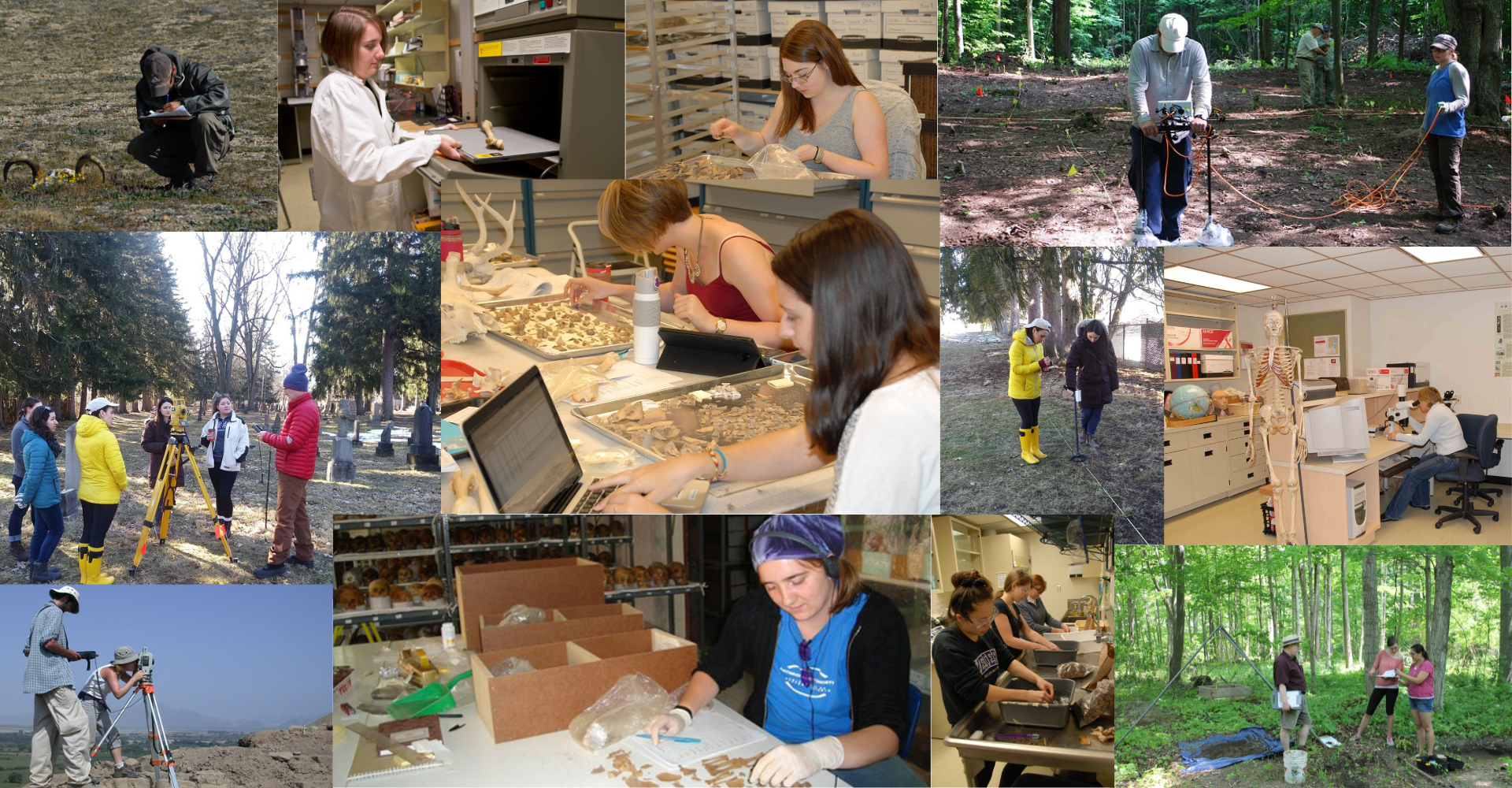
Archaeology is the study of cultures of the past by means of the recovery and analysis of material remains. Faculty research in this area includes: the peopling of the New World, the prehistoric and historic archaeology of Ontario, hunter gatherer ecology, early sedentism and early urbanism, complex civilizations in Peru, the integration of GIS with archaeology, remote sensing, 3-D imaging, textile analysis, lithic analysis, faunal archaeology, commercial archaeology, and community-based research.)
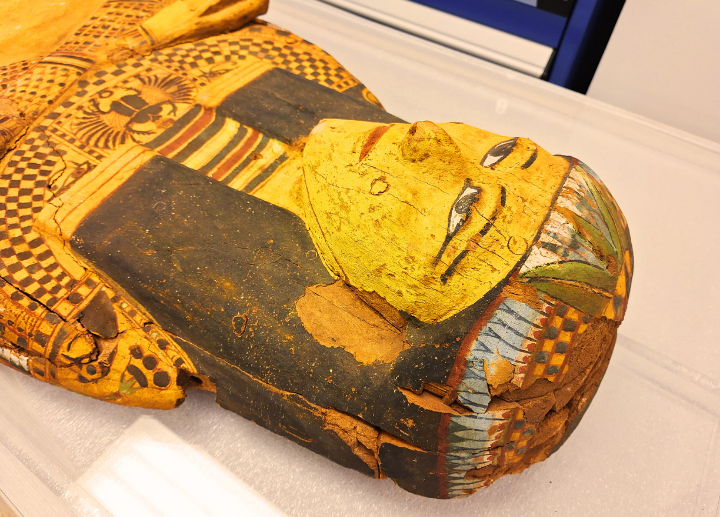
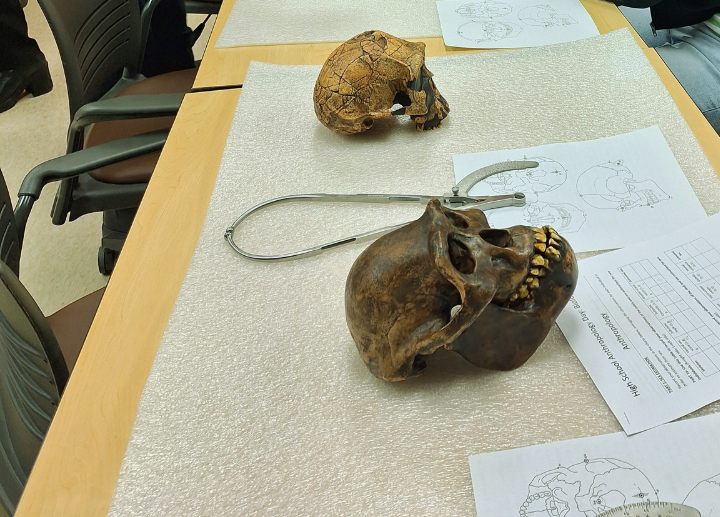
Biological Anthropology focuses on the genetically controlled aspects of human variability, but is also concerned with how biology and culture are interrelated. Western has research and teaching strengths in bioarchaeology, which encompasses all biological components of the archaeological record. Faculty research includes the relationship between body and brain size over the course of human evolution, the study of the burial practices of middle and upper classes in the ancient Moche civilization of coastal Peru, the analysis of human mummies, and the primatological study of nonhuman primates.
Linguistic Anthropology examines the intersections of language, culture, and society, including micro-level language in everyday and ritual contexts, to macro-level speech communities where language is used to form social identities or for playing out power relations between people, institutions and even countries. Faculty research includes linguistic and cultural groups in: South America (Brazil and Venezuela) and North America (urban populations in Ontario and Quebec, First Nations in Southwestern Ontario and Alberta, the Canadian Arctic, and Arizona).

Sociocultural Anthropology seeks to understand how human experience is shaped by the social, cultural, political, economic, and religious realities with which all people live. Faculty research includes studies of culture and the environment, refugee and migration studies, the history of anthropology, artisanal mining, mobile phones, the history of public health, and First Nations identity and politics in Canada.

Careers in Anthropology
Students in our department develop a competitive skill set and engage in experiential hands-on learning that prepare them for diverse career paths. Our graduates have gone to find careers across a wide range of fields — from government and non-profit organizations to marketing, management consulting, cultural resource management, and university research. Many also go on to graduate study or to professional programs like law or education.