
Search Website
Experiential Learning
Practical Experience
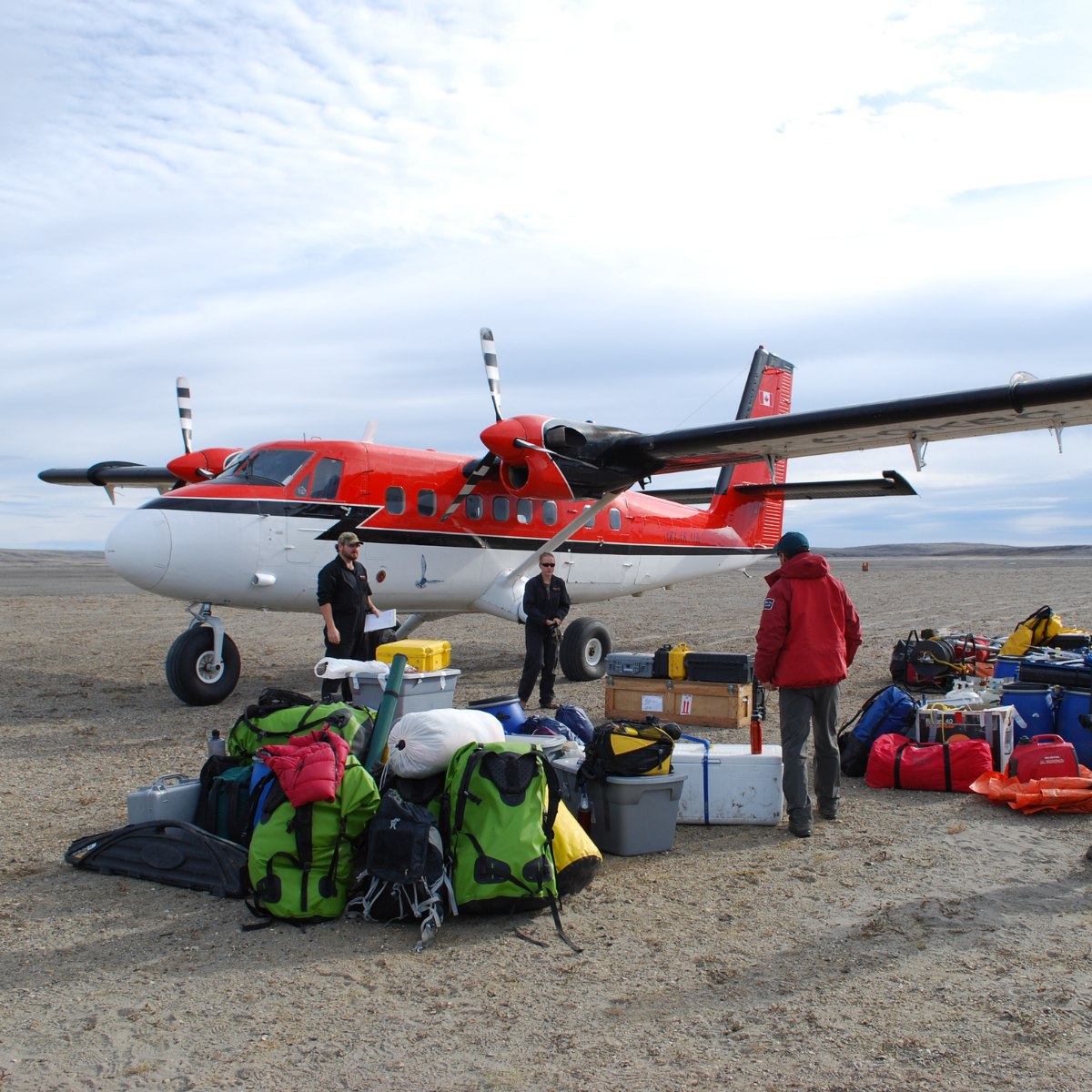
We believe learning is an active process, and one of the best ways to learn anthropology is to get out there and do it! Anthropology at Western builds practical, hands-on learning into all of our courses, from research and lab-work to artifact analysis, language analysis, and more, giving students direct, practical experience with the methods, questions, and communities that define our discipline.
Our faculty model collaborative research in their own work and teach it in their courses. Small upper-level class sizes allow for mentorship-driven learning, and our new Western Ethnography Collaboratory (WE-ColLab) provides a dedicated space for sustained collaborative work on research and writing.
We know there are many ways to learn — hands-on experience, experiential learning, in-depth engagement, and connections between the classroom and the community are among the most impactful.
Research Opportunities
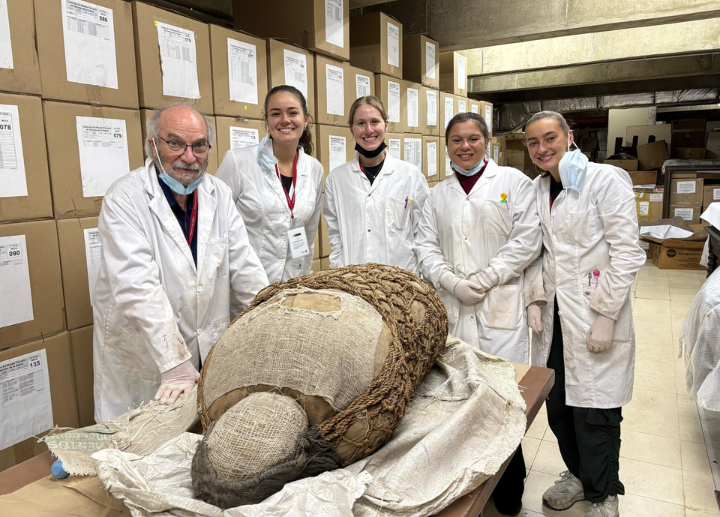
Learning in our department goes beyond the classroom. We offer a wide range of hands-on research opportunities — including:
- research methods courses
- lab volunteering
- work-study placements
- field schools
- and faculty-supervised Undergraduate Summer Research Internships (USRIs)
Hands-on Courses
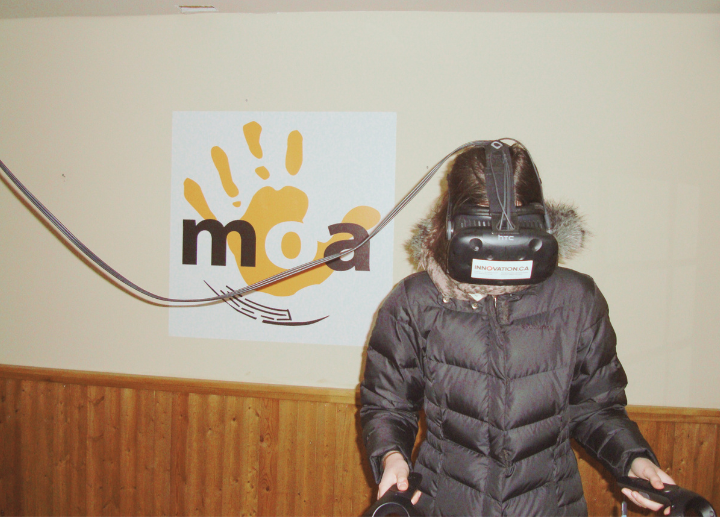
Anthropology is a discipline learned by doing. Students in our courses engage in hands-on activities across all four subfields, including: collecting and transcribing language in use; participant observation and interviewing; archaeological surveying and excavation; artifact, skeletal, and dental analysis; mortuary analysis and osteobiography; research design and ethical practice with human subjects; and putting methods into practice in lab and field settings. Here is just a sample of some of our more hands-on courses:
- ANTH 2249F/G Discourse Analysis
- ANTH 3307A/B Field Methods in Archaeology
- ANTH 3308F/G Archaeology: Theory and Practice
- ANTH 3223F/G Doing Fieldwork in Sociocultural Anthropology
- ANTH 3338F/G Skeletal Biology
- ANTH 4401F/G Anthropological Thinking in Practice
- ANTH 4408F/G Paleopathology and Paleodiet
- ANTH 4415A/B Field Techniques in Linguistics
The Western Ethnography Collaboratory
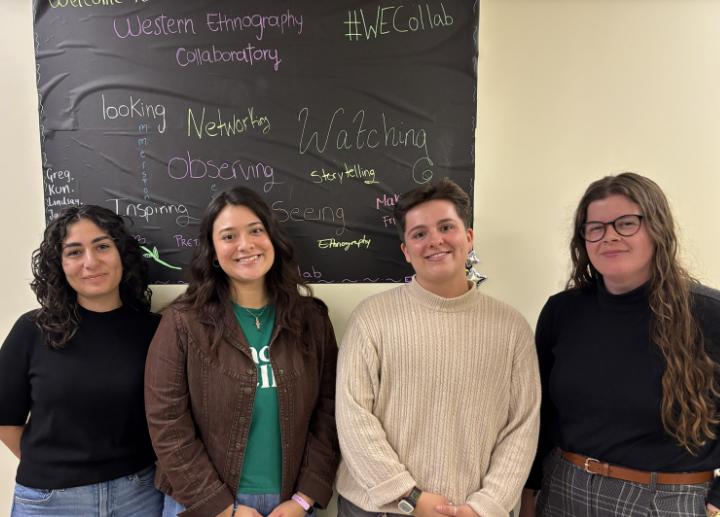
Launched in 2024–25, the Western Ethnography Collaboratory (WE-ColLab) is a new ethnography lab housed in our department. It provides a dedicated space for sustained collaboration on ethnographic methods, research, and writing — bringing together students and faculty in a hands-on, workshop-style environment.
Community-Engaged Learning
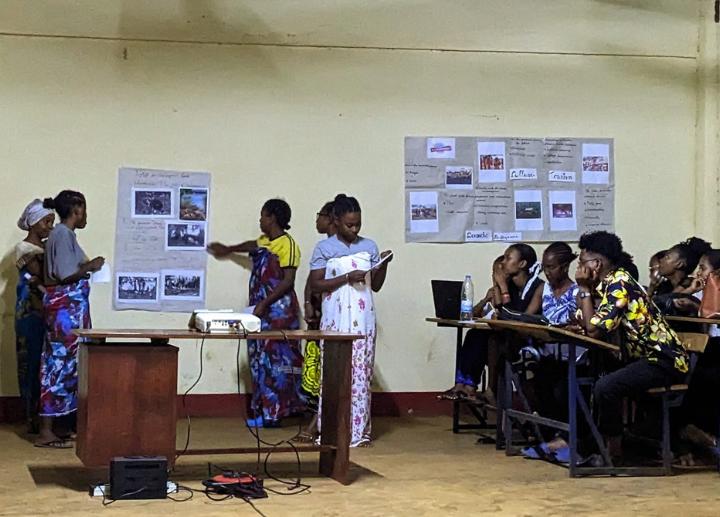
Anthropology has always been a discipline rooted in community. Our students engage with communities locally and globally — working with Indigenous language partners on revitalization efforts, partnering with museums in southwestern Ontario, and contributing to research that has real-world impact. This community-engaged approach is central to how we teach ethical research practice and collaborative methods.
International Field Courses (Western)
Field courses are an excellent way to practice anthropology, and they offer a fun and rewarding experience.
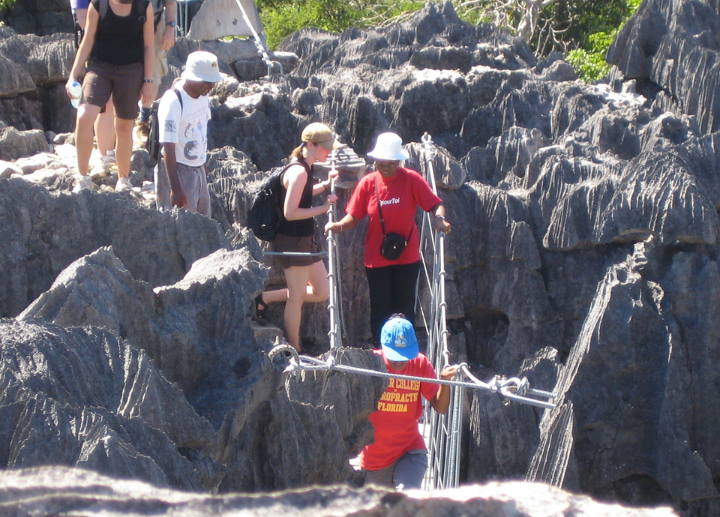
In some years, our department offers our own intensive and immersive field research experiences, providing advanced undergraduate students with the opportunity to participate in original research. These 1.0 credit courses are offered over 4-5 weeks in May-June. Past field schools have focused on Archaeology, Environmental Anthropology and Sociocultural Anthropology in South America (Argentina, Peru), Africa (Madagascar), and the Caribbean (Nevis).
Our previous field courses were focused on the politics of food, environmental anthropology, linguistics (language revitalization) and archaeology (including field survey and excavation, landscape mapping, lab work on collections, drone mapping, GPR, and 3D scanning).
You can find more information about this by visiting our Field Courses webpage.
International Field Schools
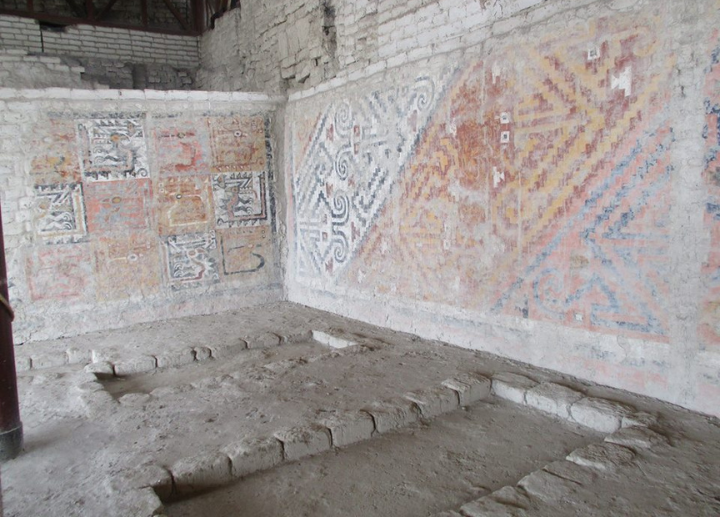
We encourage students to seek out other field opportunities, and many students in our program opt for field schools run by other institutions. These field schools are run in various locations all over the world, from ancient Maya sites and pyramids in South and Central America to heritage and ancient historic sites in the Caucasus, the Mediterranean Europe, and Africa.
Whether you can get course credit for these field schools or not, many of them are fantastic opportunities, and if you are able to partake, you should go for it! The experience you will gain from these could be incredible -- and it will look great on your resume as well! They offer intensive, hands-on training and practical experience in areas ranging from archaeological field methods, such as survey, excavation, artifact processing, field recording techniques, and lab analysis to GPS, drone operation and mapping, and photogrammetry skills for archaeological research, to underwater archaeology, to advanced ethnographic methods. Register in any of our modules to have access to those opportunities.
Questions about any of these opportunities?