Search Website
Field Courses
Field Courses
Field Courses
Anthropology In Practice
Archaeology field schools offer students the opportunity to gain hands-on experience in excavation, survey, and artifact analysis at real archaeological sites across Canada and beyond. Working alongside faculty researchers and community partners, students develop practical skills that bridge classroom theory with professional practice.
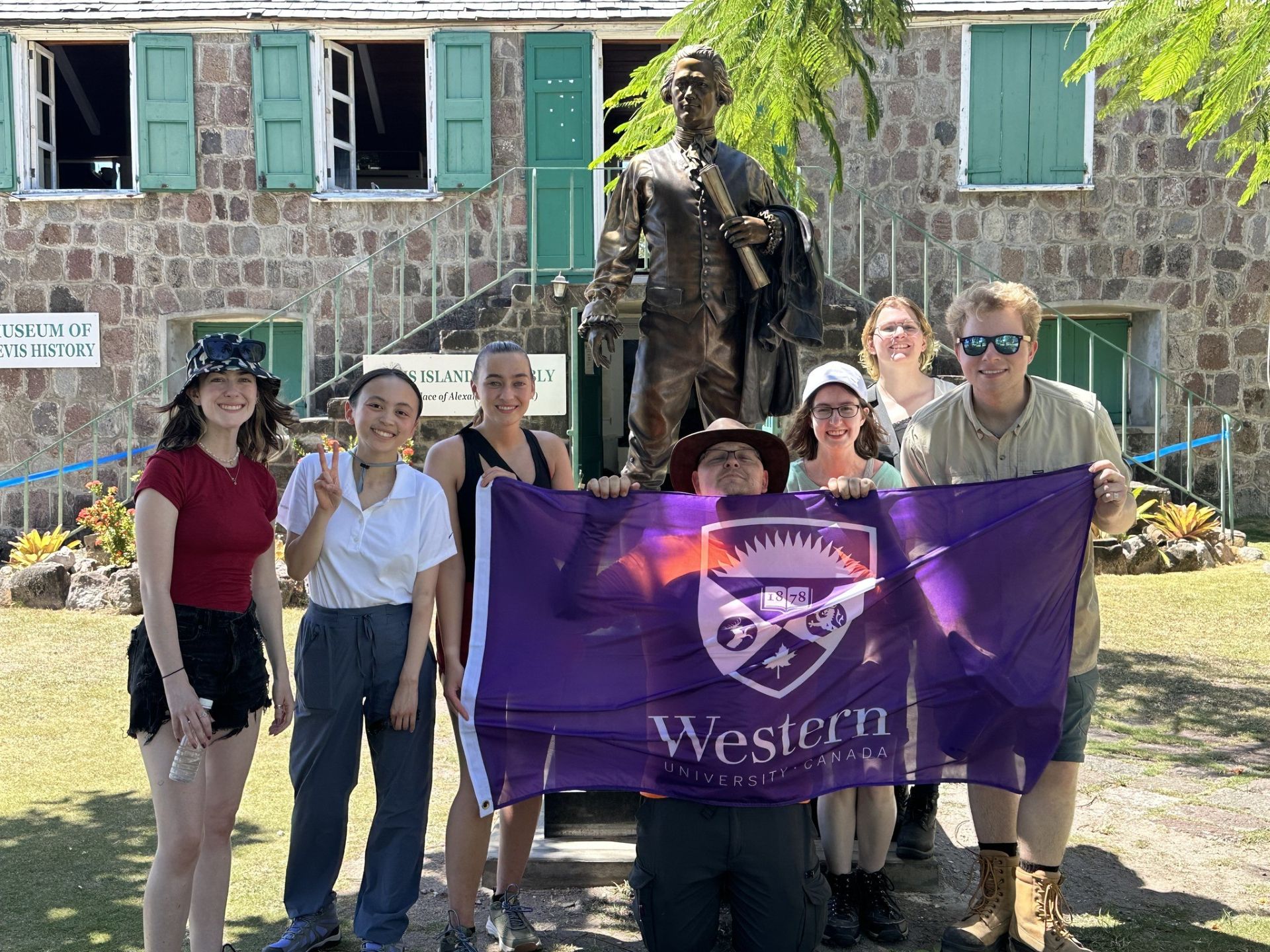
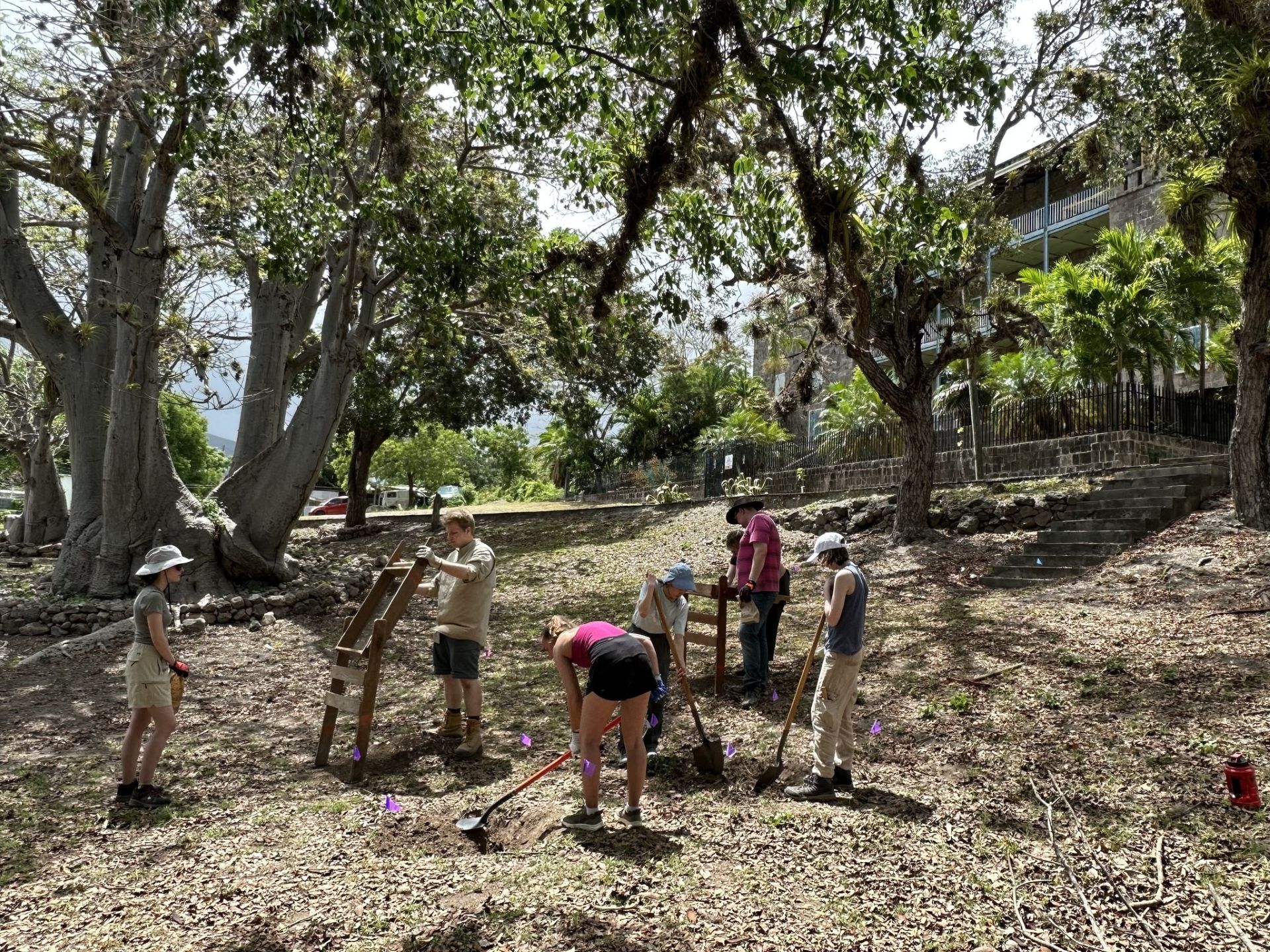
Historical Archaeology Field School in Nevis (Anthro 3320) was offered in 2023 and in 2026. Nevis is one of the two islands forming an island country of Saint Kitts and Nevis located in the Caribbean. It is a birth place of Alexander Hamilton, one of the Founding Fathers and the first U.S. secretary of the treasury, who was born there in mid-1700s. The course provides an opportunity to learn:
- Archaeological field and lab methods
- Digital applications (drone mapping, GPR, 3d scanning)
- Site conservation and management
- Caribbean archaeology and history, including of the Bath Spring and the Bath House Hotel, the earliest formal hotel in the eastern Caribbean
The students will also have a chance to attend Nevis Culture and Craft workshops, to work with community partners in the areas of supporting oral history, and local heritage capacity building, and to support the Nevis History and Conservation Society.
2023 - Watch this video clip created by the students during their trip in 2023.
2026 - Seven Anthro students thoroughly enjoyed their Nevis Field School in the summer of 2026, as well as learned some important archaeological skills and had unforgettable cultural experience. Here is a video account of what they've done there.
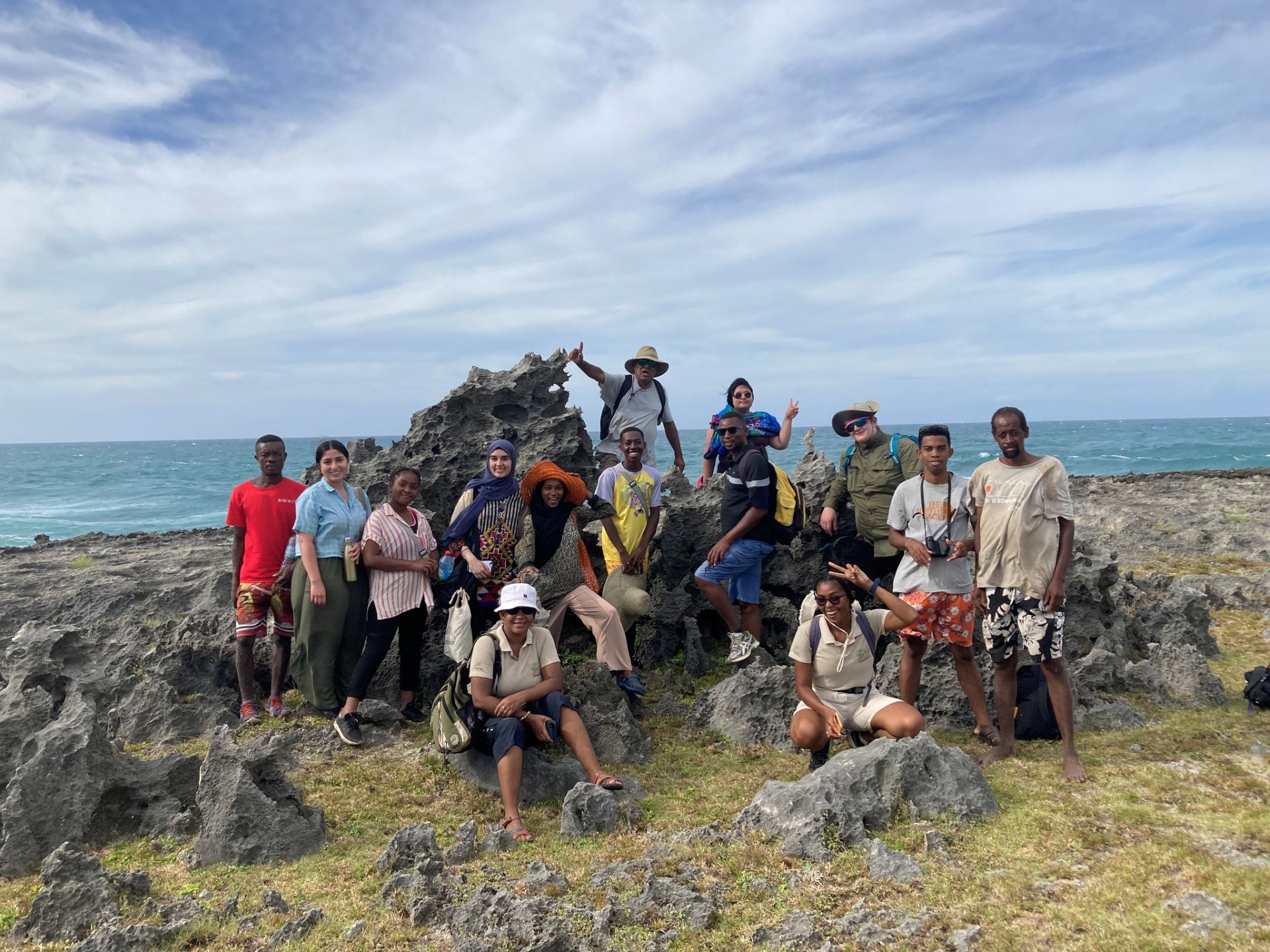
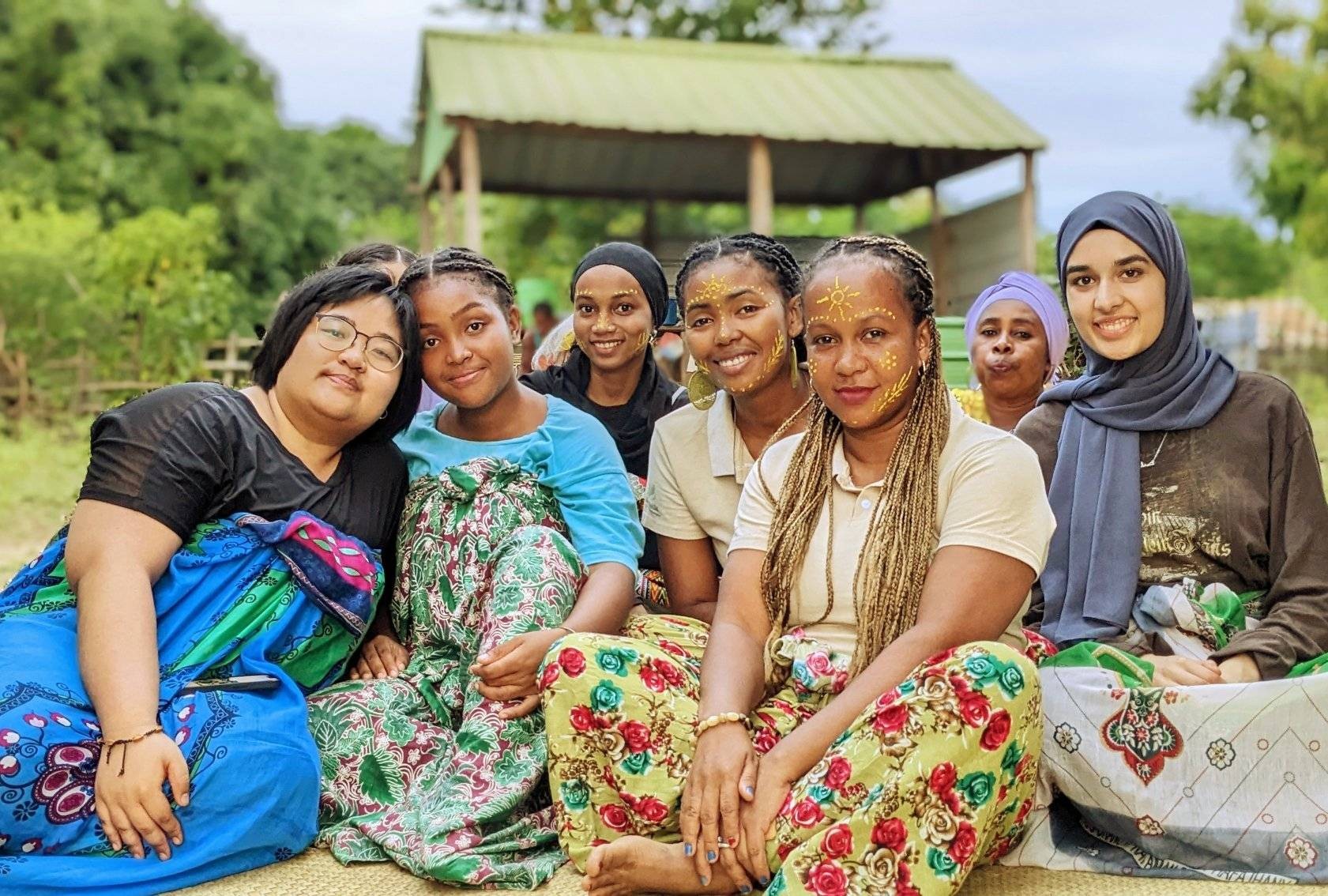
Northern Madagascar is home to both some of the world's most spectacular biodiversity, and some of the world's most valuable natural resources. Unsurprisingly, different people in the region have very different ideas as to how to approach this natural wealth. While some advocate the need to conserve what is unique to the region for the sake of the future, others seek to make use of these same resources for whatever benefits they can bring in the present.
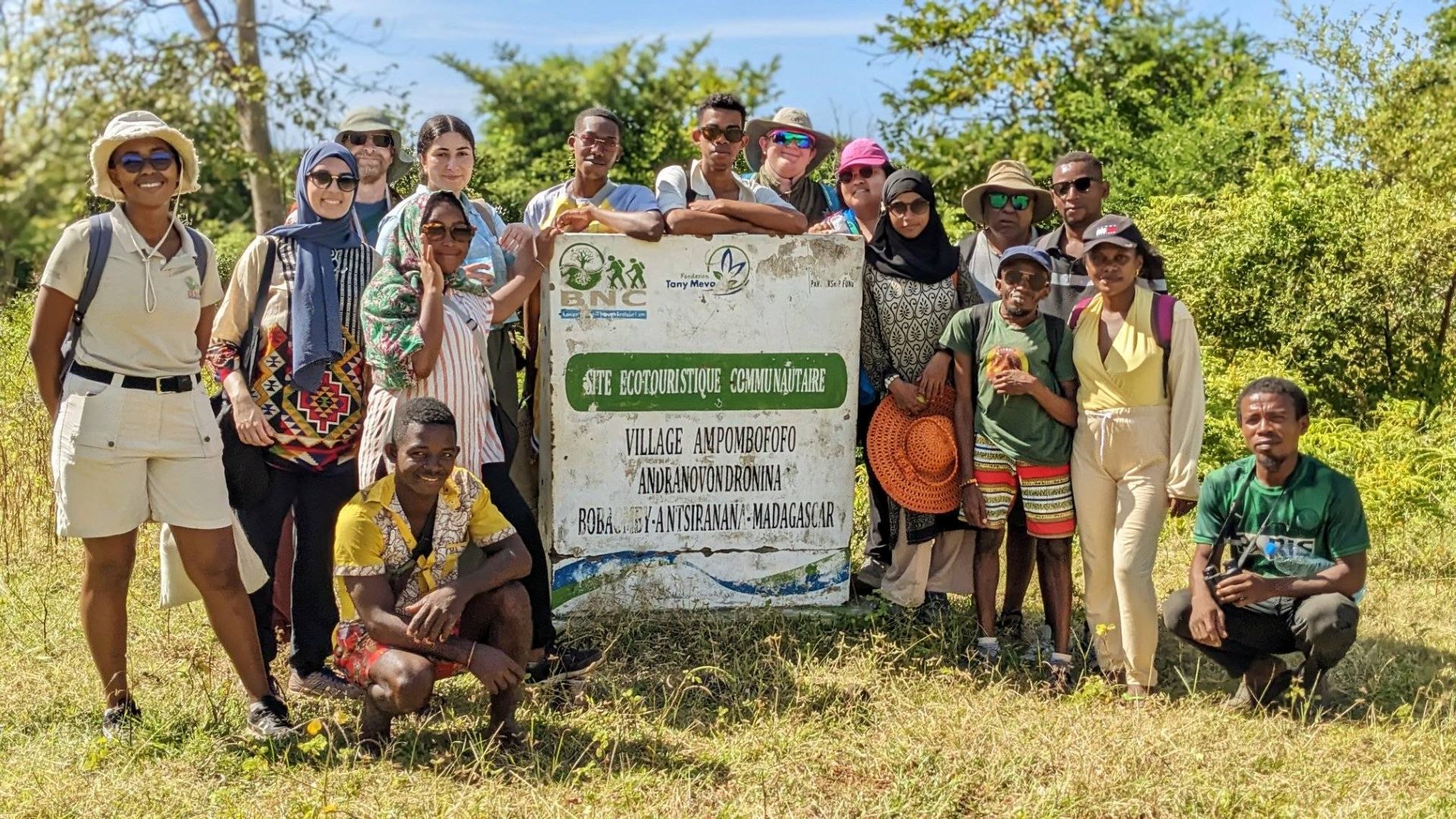
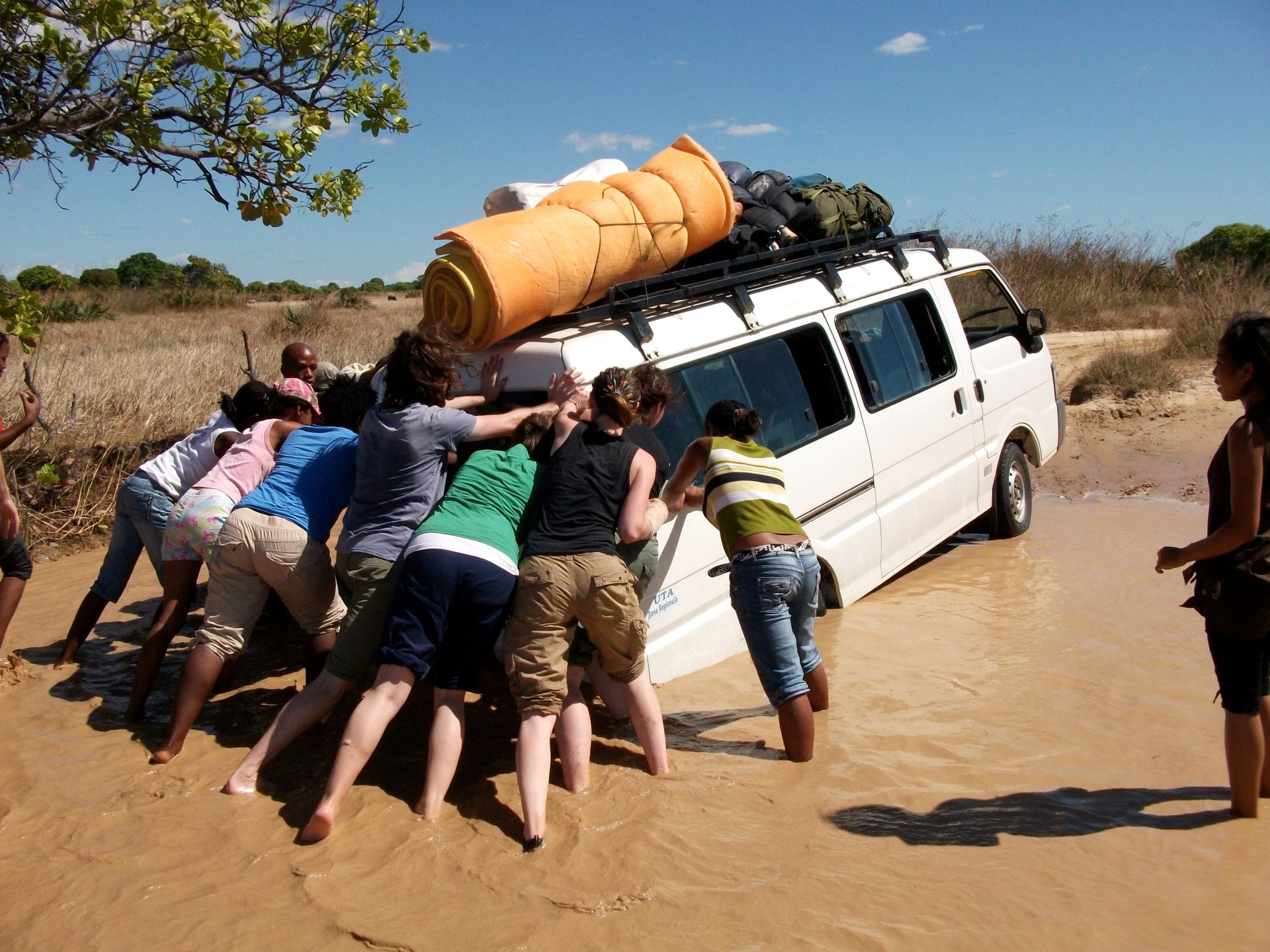
The Environmental Anthropology in Madagascar field course offered since 2008 (2008, 2010, 2012, 2015, 2017, 2024) through longstanding partnerships with colleagues and communities in Madagascar has been focusing on these and related issues, all of them involving equal numbers of students from Western and Université d’Antsiranana, our partner institution in Madagascar. 2015 and 2017 offerings of the course focused especially on the complexities of transnational and intercultural collaboration in small-scale humanitarian, development and conservation projects in the region.
For more information, see: https://www.facebook.com/MadagascarFieldCourse
The field course has also been discussed in much detail in an article in Western News published in July 2024.
In another publication Andrew Walsh, the professor who runs this course, looks back at how it evolved into one of the longest collaboration efforts between Anthropology Department at Western and l’Université d’Antsiranana in Madagascar.
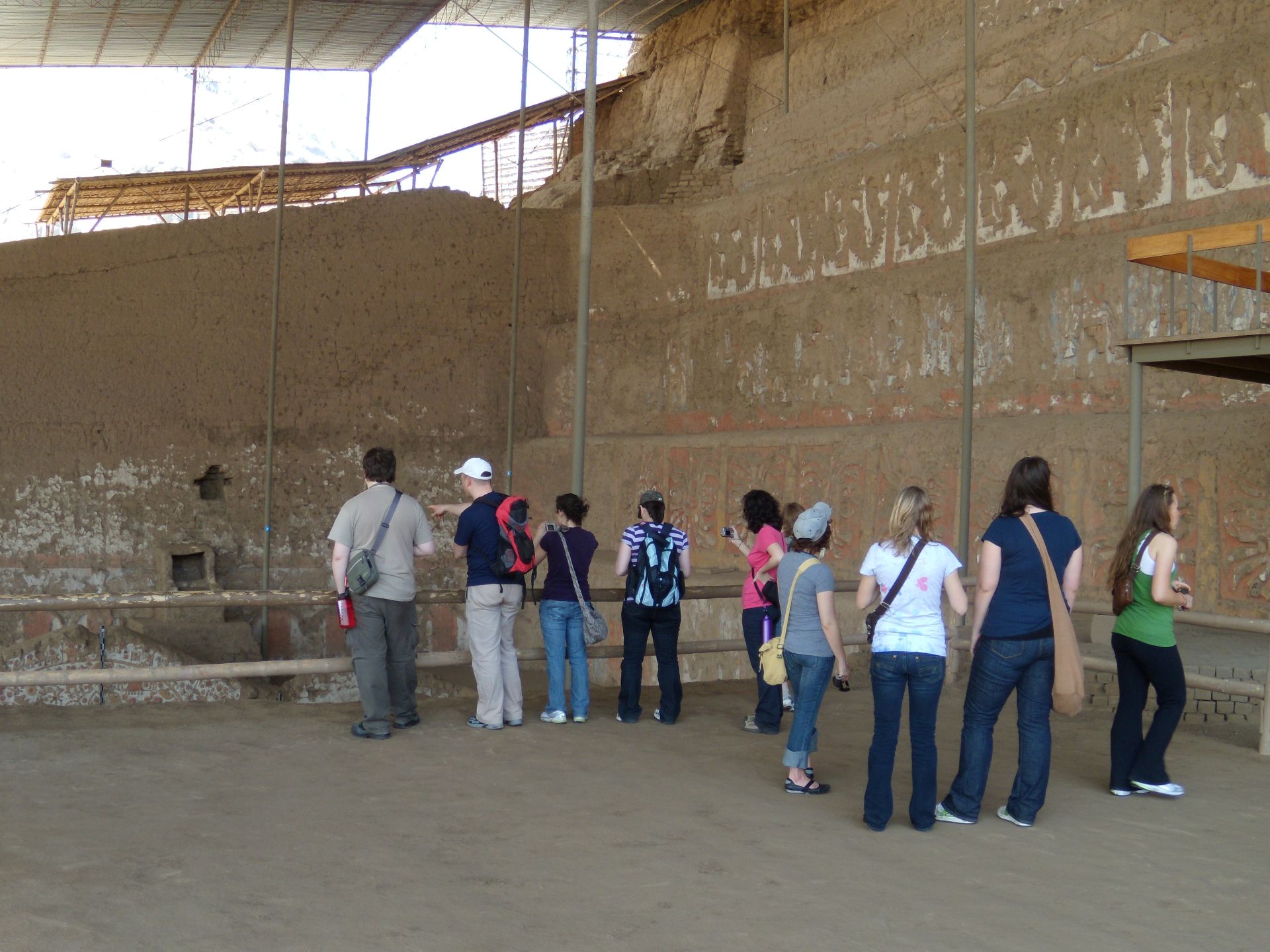
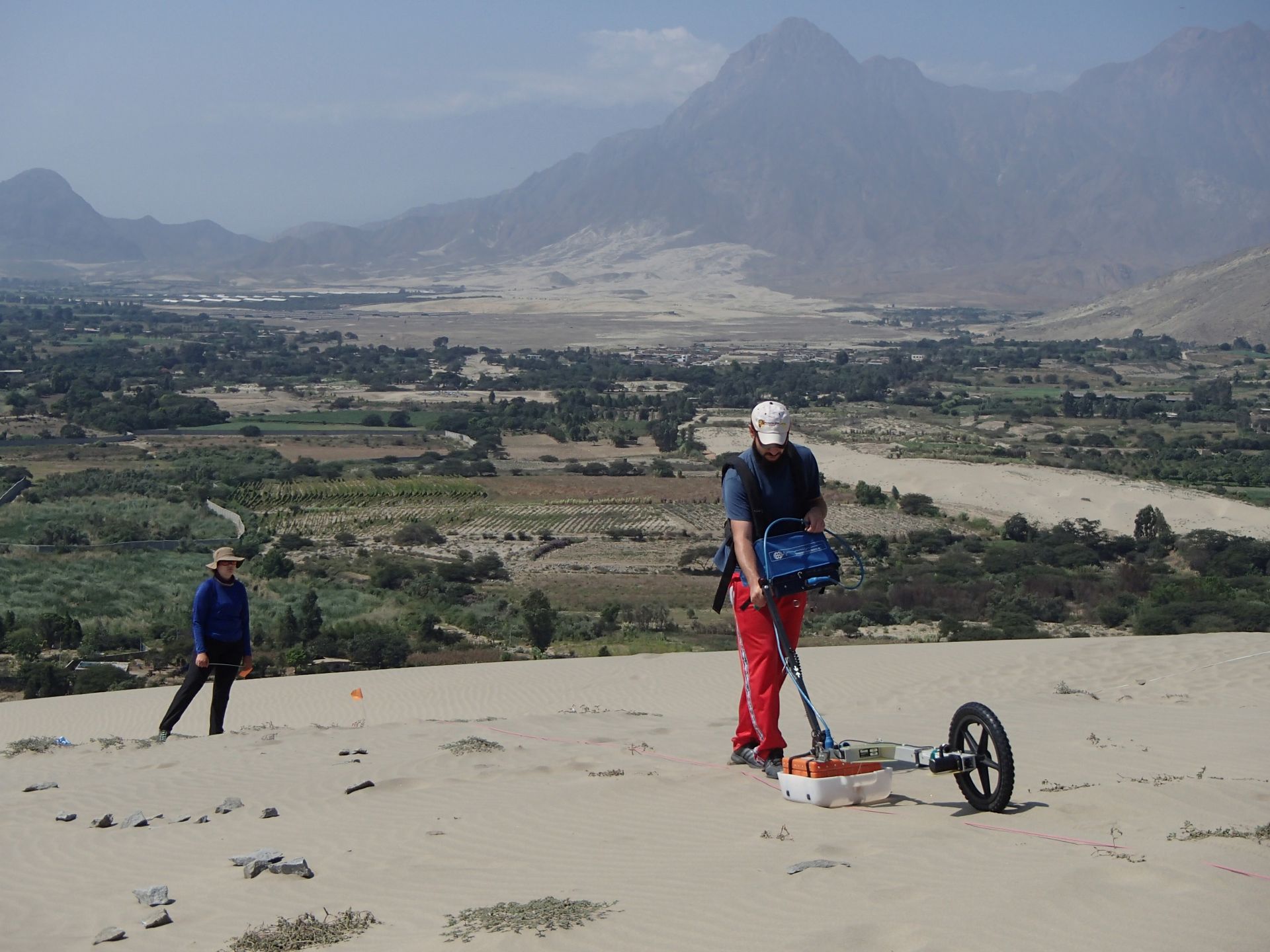
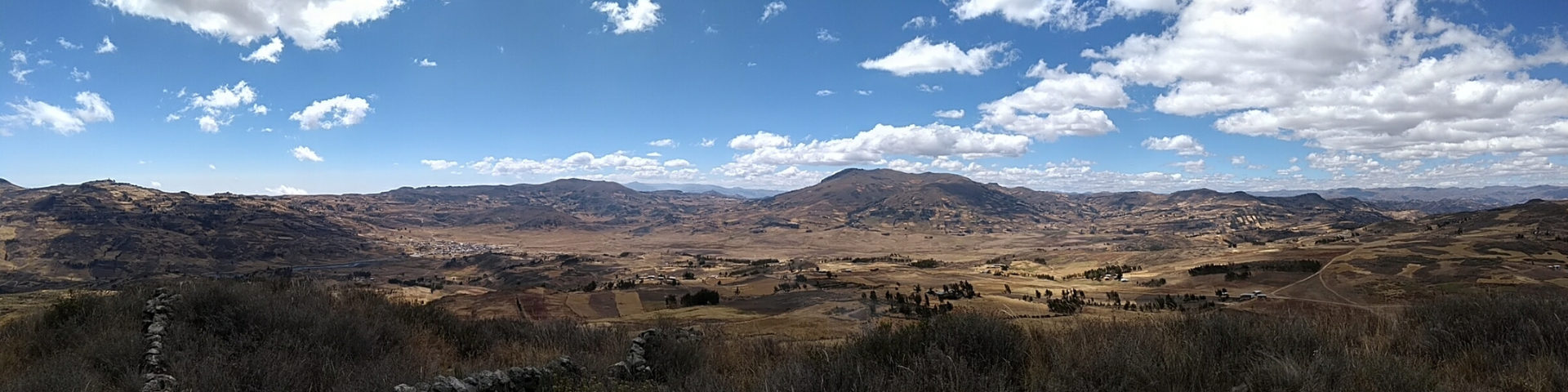
Our undergraduate Anthropology students have enjoyed several faculty-led archaeological summer field courses in Peru (2007, 2009, 2011), offering an exceptional chance to gain hands-on field experience while exploring the country. Students learned excavation methods, artifact collection, and GIS techniques. Several research practicums have also been conducted in Peru in more recent years.
See a video below about one of those trips in 2009.
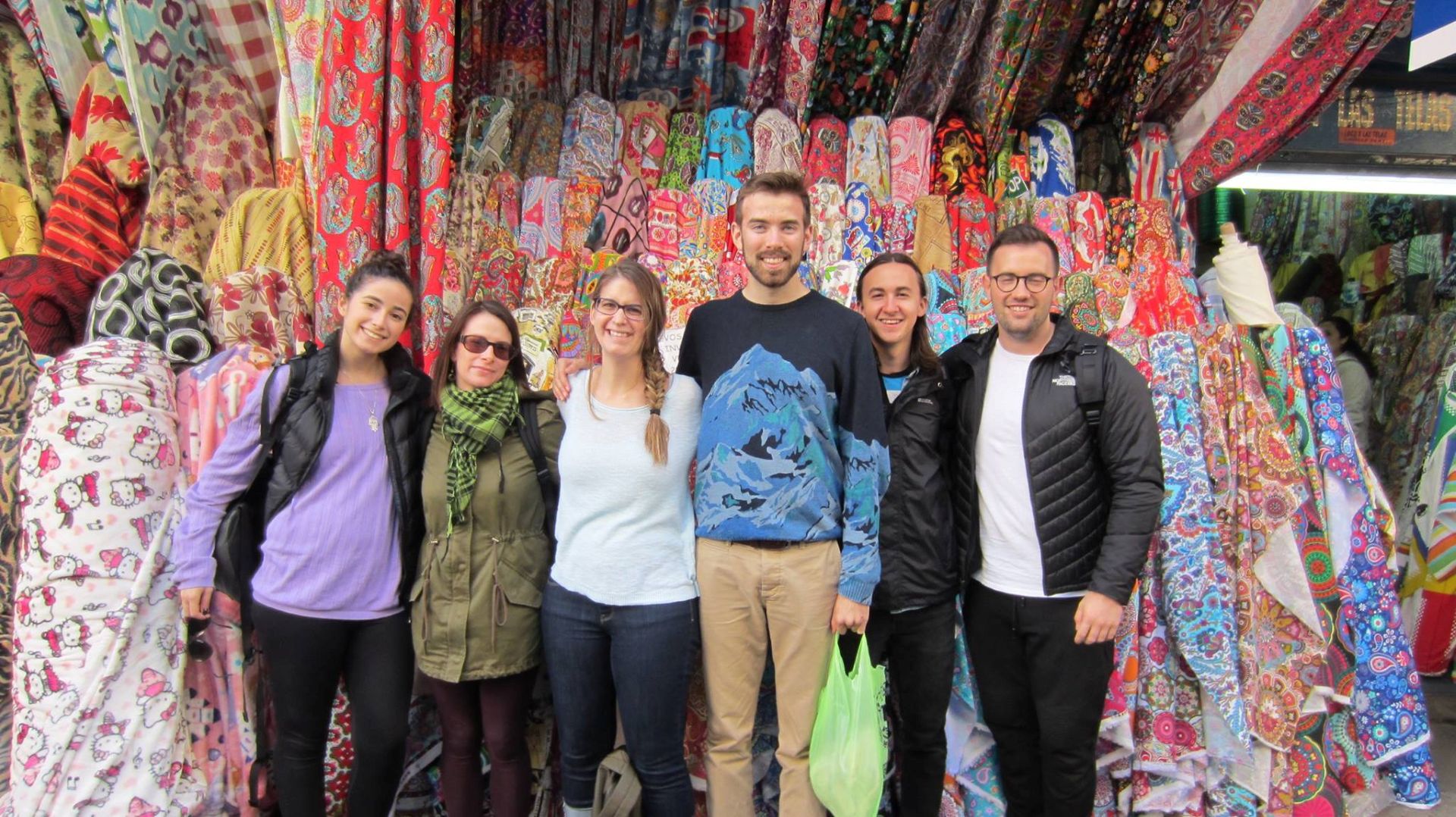
This course in Spring 2016, led by Emeritus Professor Adriana Premat, invited students to reflect on food and politics in Buenos Aires, Argentina, at a time of crisis, five months after the inauguration of Mauricio Macri’s government. Drawing on their own photographs, at the end of the course, students prepared two PowerPoint presentations on the topics that most appealed to them.
One group chose to focus on the social embeddedness that characterizes the “alternative” food projects we visited, contrasting them with dominant food venues like supermarkets (See the video of “Breaking the Chain: The Personalization of Food in Buenos Aires” presentation). The other reflected on how Argentines today, as in the past, have used public space, as well as food-related projects, to contest unpopular and unjust government policies (See the video of “Opposing Injustice in Buenos Aires” presentation). Both projects give a glimpse of the activities and the learning carried out during this five-week course in a country participating students previously knew little about.
Read the 2016 Argentina field course’s Facebook page at:
https://www.facebook.com/groups/968080133306634